
Is Your Wellness Business Visible on Tourism Channels?
Published: 20 October 2026.
Informed by: Tourism WA Industry Webinar Series | Australian Tourism Data Warehouse (ATDW) Masterclass
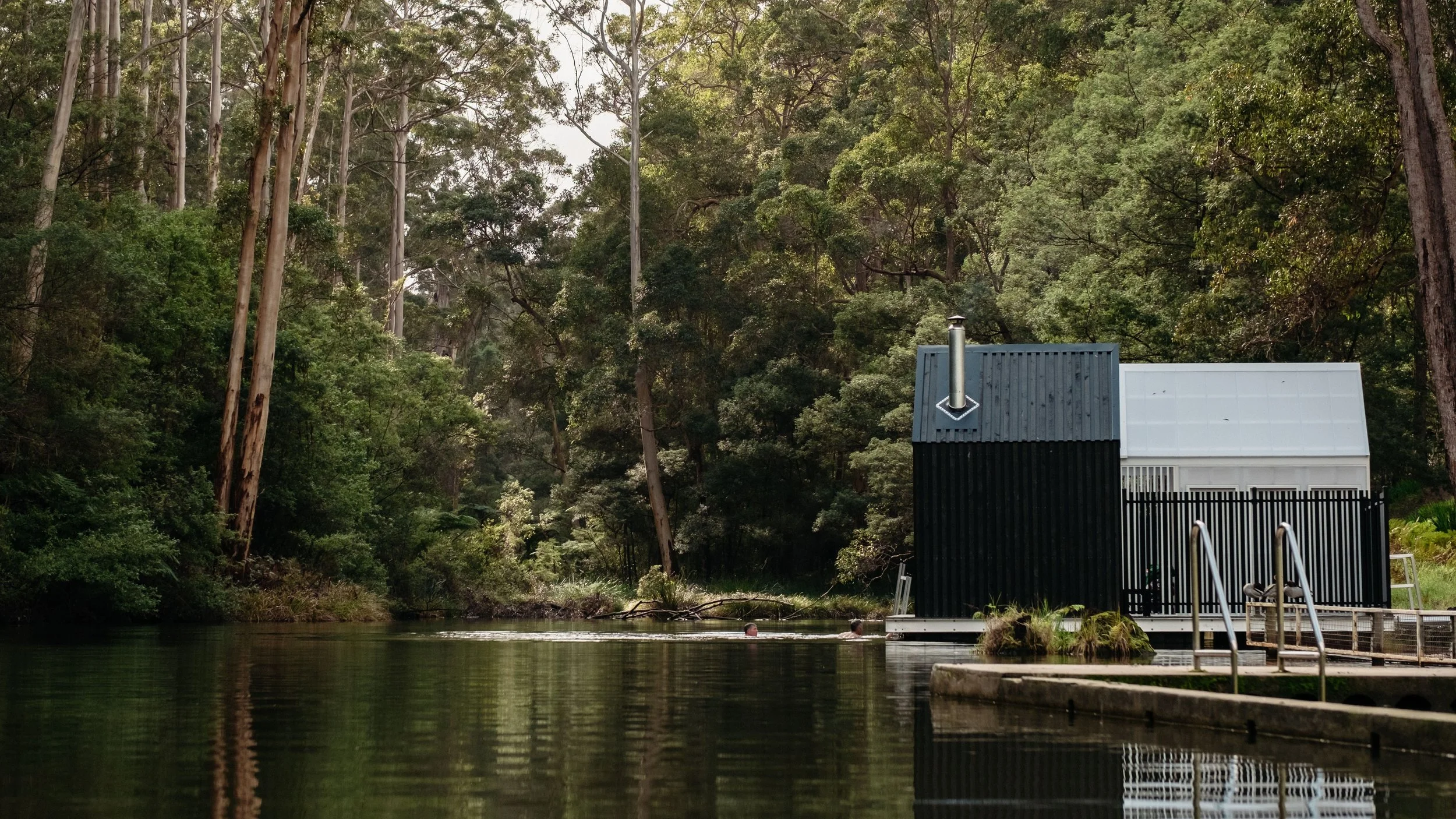
Image Credit: Tourism Western Australia
Many wellness businesses are highly visible within their local communities.
They have loyal clients, an active Instagram presence, positive Google reviews and strong word of mouth.
But are they visible to travellers?
This is a different question.
A visitor planning a holiday may not search for wellness in the same way as a local customer. They might be looking for things to do in a particular region, experiences near their accommodation, accessible attractions, a retreat venue, a distinctive place to stay or an activity that gives them another reason to extend their trip.
If your business only appears in wellness channels, you may be missing the people already planning to visit your destination.
IN BRIEF
ATDW gives eligible tourism businesses access to established tourism distribution channels. In Western Australia, listings are currently free. However, a business must directly cater to leisure visitors and fit an eligible tourism category.
Wellness visibility and tourism visibility are different
Wellness businesses tend to market around their modality or service: yoga, massage, sauna, breathwork, bathing, meditation or recovery.
Travellers often begin somewhere else.
They search by destination, itinerary, proximity, season, travel time, availability and the type of experience they want to have while they are away.
This means a strong local wellness business is not automatically a visitor-ready wellness experience.
Becoming part of the visitor economy requires an operator to consider:
Why someone would include the experience in their trip
Whether the experience is easy to understand and book
How it connects with the surrounding destination
Whether it is visible through established tourism channels
What practical information a visitor needs before arriving
Whether it gives people a reason to stay longer, travel further or spend more within the region
One of the first places to examine this visibility is the Australian Tourism Data Warehouse.
What is ATDW?
The Australian Tourism Data Warehouse is Australia’s national platform for tourism information.
An operator creates and manages a profile containing its description, location, contact information, booking links, imagery, accessibility information, facilities and other visitor details.
That information can then be distributed across established tourism websites.
In Western Australia, Tourism WA uses ATDW to acquire, quality-assure and distribute WA tourism products across westernaustralia.com and hundreds of other tourism-related websites.
Rather than separately updating multiple channels, an operator can manage key information through one central profile.
What value does an ATDW listing provide?
The value is not simply having another online listing. It is gaining access to the tourism distribution system.
For an eligible wellness tourism business, an ATDW profile can provide:
Greater tourism visibility
Your business can appear in places used by travellers researching destinations and experiences, including westernaustralia.com and participating regional and national tourism websites.
Control over your information
Operators can update their information in one place, with approved changes distributed across connected tourism websites. This can help maintain consistency across descriptions, opening hours, contact details and imagery.
A pathway to direct bookings
Businesses can include their own website and booking link, helping travellers move from destination inspiration to a direct enquiry or booking. ATDW does not charge commission on bookings generated through the platform.
Opportunities to promote deals
Operators can publish up to three deals at a time. These might include a seasonal offer, value-added package, bonus experience or collaboration with another local business. Used strategically, deals can support quieter periods and provide a timely reason to visit.
Stronger accessibility information
ATDW provides detailed accessibility fields covering more than physical mobility. Businesses can communicate information relating to communication, vision, hearing, allergies, intolerances and other visitor needs. This helps people make informed decisions before travelling.
Connection with Google
Eligible information from an ATDW profile can be synchronised with a Google Business Profile, including the business name, address, contact details, description, opening hours and selected imagery. This creates a stronger single source of information, although operators should still monitor both profiles for accuracy.
Access to wider tourism opportunities
An active ATDW listing may also be required for selected tourism programs. In WA, it is currently a prerequisite for Tourism WA’s Dream Collective Program.
Is an ATDW listing free?
For tourism businesses in Western Australia, the cost is currently $0. ATDW advises that the cost is covered by the Western Australian Government.
Fees differ between Australian states and territories, so operators outside WA should check the arrangements applying to their location.
Is every wellness business eligible?
No, and this is an important distinction.
ATDW is designed for businesses that directly contribute to the leisure tourism experience.
According to ATDW’s current eligibility criteria, a business must:
Fall within at least one eligible tourism category
Be located or operate within Australia
Directly cater to leisure tourists, rather than primarily serving local residents or business travellers
Hold a valid ABN and be able to provide evidence of current third-party liability insurance if operating tours or accommodation
Eligible categories include accommodation, attractions, events, tours, food and drink, transport, hire, journeys and selected visitor services.
This means a wellness retreat, visitor-focused accommodation property, bookable tour or experience, eligible event or wellness attraction may have a clear pathway to listing.
A studio or practitioner whose services primarily cater to local clients may not automatically qualify. The operator may first need to develop a defined visitor experience with a clear tourism purpose.
That is not simply a wording exercise. It is a product development question.
Are you listed, or are you visitor-ready?
Creating a listing does not automatically make a business compelling to travellers.
A strong tourism profile needs to answer questions that may not arise when marketing to established local clients:
What makes this experience distinctive?
Why is it worth including in a trip?
Where is it located in relation to accommodation, transport and other attractions?
What qualifications or specialist knowledge support the experience?
How long should visitors allow?
What should they bring?
Is advance booking required?
Who is the experience suitable for?
What accessibility information should be provided?
What else could a visitor do nearby?
The description also needs to communicate the experience in simple, direct language.
Industry terminology that makes sense to an established wellness audience may mean very little to someone encountering that modality for the first time.
The wellness tourism opportunity
The most useful question is not:
“Do we have an ATDW listing?”
It is:
“Can a traveller discover, understand and book our experience through the channels they use to plan a trip?”
That is the shift from promoting a wellness service to developing a wellness tourism product.
Is your wellness business ready for the visitor economy?
Destination Wellbeing helps wellness businesses, accommodation operators and retreat venues assess their tourism readiness, shape visitor-focused experiences and strengthen their visibility across the visitor journey.